




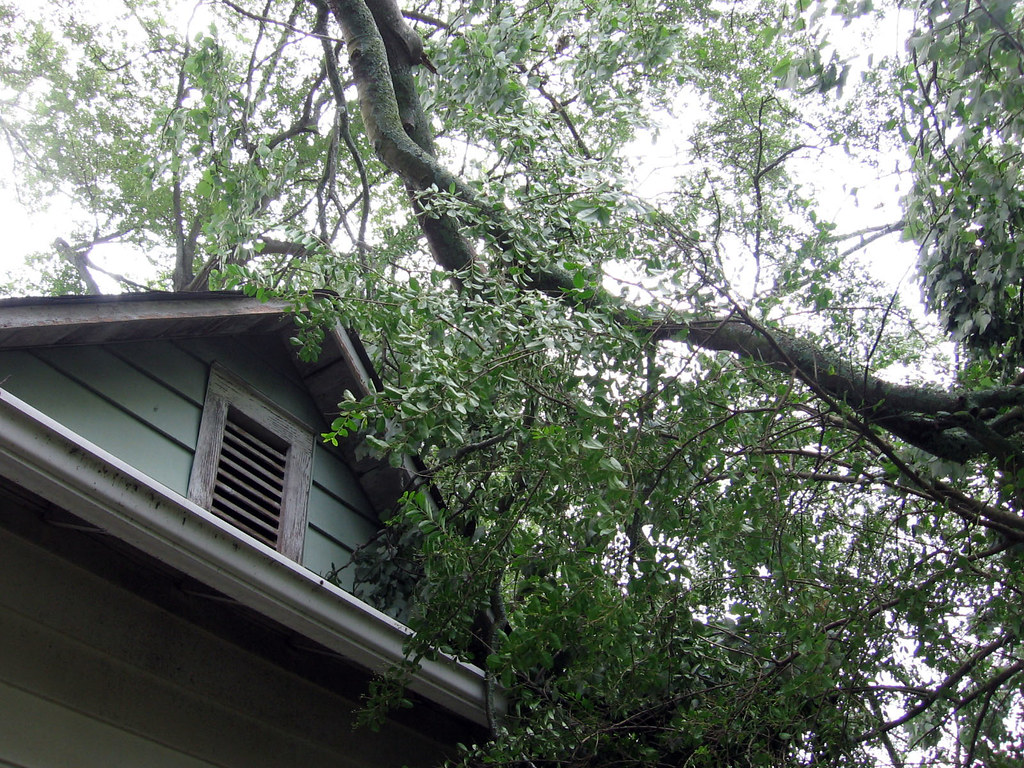
Tree limb roof damage is a serious concern for homeowners across New Jersey. From North Jersey suburbs like Clifton and Bloomfield to tree-dense areas in Paramus and Hackensack, overhanging limbs are a hidden threat to your roofing system. If ignored, they can lead to expensive damage, water leaks, and even structural issues.
At Jersey Expert Construction, we’ve helped countless local families repair and prevent tree-related roof problems. If you’re seeing low-hanging branches near your home, now is the time to act.
How Tree Limbs Cause Roof Damage
1. Shingle Damage from Constant Contact
Branches that brush against your roof in the wind may seem harmless—but over time, they wear down shingle surfaces. This leads to weak spots where water can seep through. In fact, this is one of the most common forms of tree limb roof damage we see during inspections.
2. Leaf Buildup Causes Moisture and Mold
During the fall, leaves from nearby trees can collect in roof valleys and gutters. In New Jersey’s damp autumn and winter seasons, this moisture creates ideal conditions for mold, rot, and even pest nests.
3. Broken Limbs Can Cause Sudden Structural Damage
Strong Nor’easters, ice storms, or even thunderstorms can bring tree limbs crashing onto your roof. These heavy impacts often break shingles, damage underlayment, and create urgent repair needs. When that happens, our Roof Repair team is ready to respond quickly.
4. Pests Gain Access Through Branch Pathways
Animals like squirrels and raccoons use overhanging limbs to access your roof. They can chew through vents, and fascia, and even create entry holes into your attic. Once inside, they pose serious risks to insulation and electrical wiring.
Local Tip: New Jersey’s Climate Makes It Worse
With our hot, humid summers and freezing winters, roof materials in New Jersey face extreme stress year-round. Combine that with dense tree cover in residential areas, and you’ve got the perfect storm for tree limb roof damage. Towns like Montclair, Teaneck, and Livingston often see more severe roof damage due to larger, older trees close to homes.
How to Prevent Tree Limbs Roof Damage
- Trim trees regularly to keep branches at least 6–10 feet away from your roof.
- Clean your gutters, especially in the fall.
- Schedule routine inspections, especially after major storms.
- Look for signs of wear, such as curling shingles, debris piles, or blocked downspouts.
Why Choose Jersey Expert Construction
We’re not just any roofing company—we live and work here in New Jersey. We understand how the local environment affects homes in your neighborhood. When you call Jersey Expert Construction, you get:
- A licensed, local team with deep knowledge of New Jersey’s weather and housing styles
- Prompt, honest inspections
- Transparent pricing and expert Roof Repair services
- Long-term solutions that protect your home and budget
Final Thoughts
Ignoring overhanging branches can cost you big in the long run. The risk of tree limb roof damage is high in many parts of New Jersey—especially in mature neighborhoods with tall trees. Don’t wait for damage to happen. Contact Jersey Expert Construction today and take the first step toward a stronger, safer roof.
FAQ: Tree Limbs Roof Damage
How can I tell if tree limbs are damaging my roof?
Look for worn shingles, roof debris, clogged gutters, and visible branches touching or hanging over your roof.
Is roof damage from trees covered by homeowners insurance?
Sometimes, but coverage depends on the policy and whether maintenance was neglected. Preventive care is always recommended.
Can you help with emergency repairs after a tree branch falls?
Yes! Our Roof Repair services include fast response for storm or tree-related emergencies.


